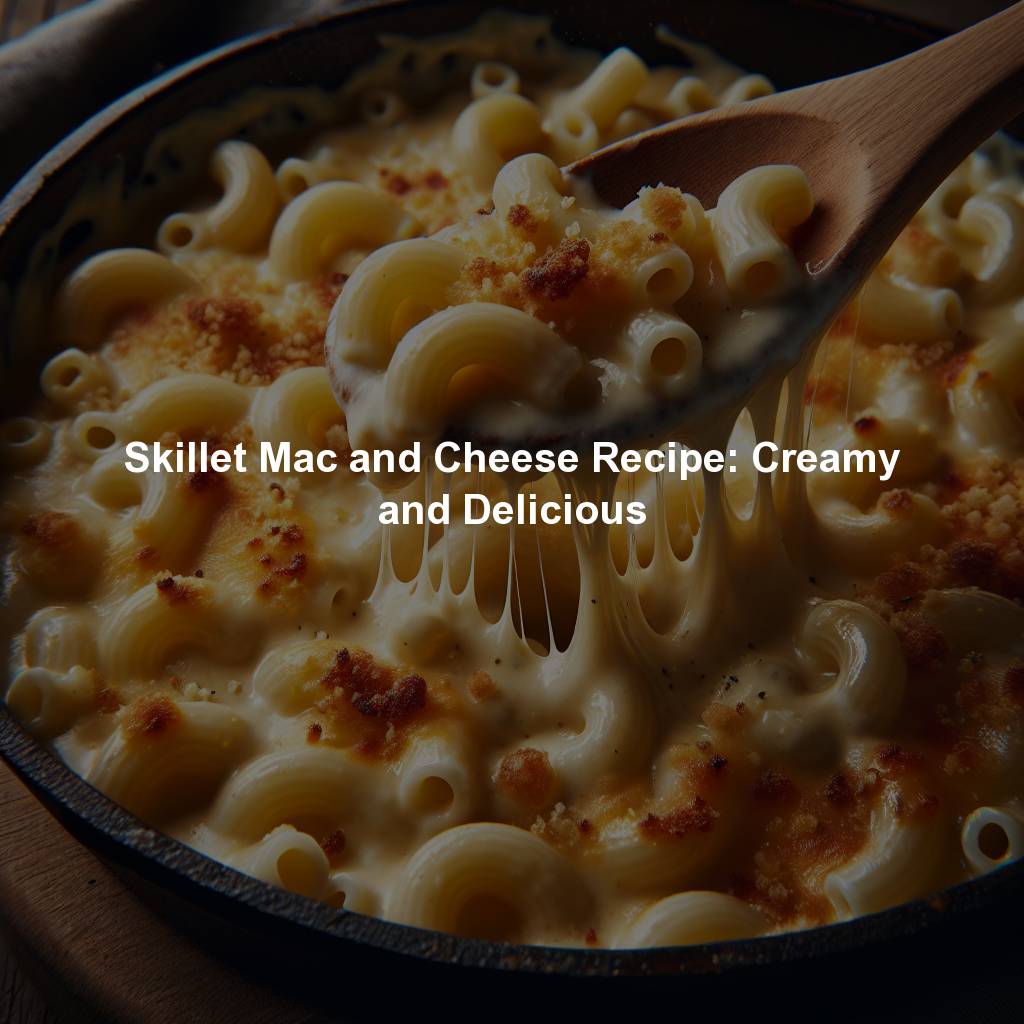
There are few dishes that evoke the same warmth, nostalgia, and sheer satisfaction as a perfectly executed mac and cheese. But when that creamy, cheesy goodness comes together in a single, rustic skillet, crowned with a golden, crunchy topping, you've reached peak comfort food. The Homemade Skillet Mac and Cheese: Cheesy, Creamy, Crunchy Perfection is more than just a meal; it's an experience – and one that's surprisingly easy to achieve at home.
Forget the blue box; once you taste the rich, nuanced flavors of a homemade version, you'll understand why millions have made the switch. This guide will delve into what makes a skillet mac cheese recipe truly shine, focusing on the artistry of cheese combinations and a plethora of serving ideas that elevate it from a simple side to a show-stopping main course.
The Allure of Skillet Mac & Cheese: Why Homemade is Best
The magic of a skillet mac and cheese lies not just in its ingredients but in its preparation. Utilizing a cast iron or oven-safe skillet offers a rustic charm and practical benefits that make it a weeknight hero. The ability to seamlessly transition from stovetop to oven reduces dishwashing and ensures an even cook, making it an incredibly efficient way to get dinner on the table. This versatile pan isn't just for searing; it creates an ideal environment for a bubbling, broiled cheese crust that's simply irresistible.
While the convenience of pre-packaged macaroni and cheese might seem appealing, it pales in comparison to the depth of flavor and superior texture of a homemade rendition. By taking a little extra time, you gain complete control over the quality of ingredients, allowing you to customize the dish to your exact preferences. This isn't just about making food; it's about crafting an ultimate comfort experience that tastes infinitely better and often comes together faster than you'd expect. The straightforward steps, often involving just a pot for the pasta and the skillet for the sauce and baking, make it an approachable recipe for even novice cooks.
Crafting the Perfect Cheese Blend for Your Skillet Mac & Cheese Recipe
The heart and soul of any mac and cheese are its cheeses. While any melty cheese can technically work, the secret to an outstanding skillet mac cheese recipe lies in thoughtful combinations that balance flavor, melt, and texture. Grating your own cheese is paramount here; pre-shredded varieties often contain anti-caking agents that can result in a grainy or gritty sauce when melted, detracting from the luxurious creaminess you're aiming for.
Classic & Crowd-Pleasing Combinations
For a foundational, universally loved mac and cheese, start with these tried-and-true blends:
- Cheddar & Monterey Jack: This is a go-to for many, and for good reason. Sharp cheddar provides that iconic tangy, cheesy flavor, while Monterey Jack contributes an incredibly smooth, creamy melt and a milder taste that allows the cheddar to shine without being overpowering. It’s an excellent starting point that delivers consistent results every time.
- Mild & Sharp Cheddar Blend: Combining different ages of cheddar can offer a more complex flavor profile. A mild cheddar will melt beautifully and offer a gentle creaminess, while a sharp or extra-sharp cheddar brings a more pungent, piquant kick.
Elevating Your Skillet Mac & Cheese with Gourmet Cheeses
Ready to venture beyond the basics? Incorporating more sophisticated cheeses can add incredible depth and character to your skillet mac cheese recipe:
- Smoked Gouda: For a rich, nutty, and subtly smoky flavor, smoked gouda is an excellent choice. It melts beautifully and adds an unexpected layer of complexity that can transform your dish.
- Gruyère: This Swiss cheese boasts a deeply earthy, nutty, and slightly sweet flavor. It melts like a dream, creating a silky-smooth sauce with a sophisticated taste that pairs wonderfully with the pasta.
- Pepper Jack: If you enjoy a gentle warmth, pepper jack offers a creamy melt with a pleasant, subtle kick from the jalapeño peppers. It’s fantastic for adding a little zest without overwhelming the palate.
- Fontina: Known for its buttery, nutty flavor and incredible melting properties, Fontina (especially Italian Fontina Val d'Aosta) creates an exceptionally smooth and luxurious sauce.
- Provolone: A mild, semi-hard Italian cheese that offers a subtle tang and excellent elasticity when melted. It pairs well with sharper cheeses to balance flavors.
- Colby or Muenster: These are great for adding a very mild, creamy base that allows stronger cheeses to dominate, or for those who prefer a less intense cheese flavor.
Tips for Cheese Success
- Balance is Key: Aim for a blend of cheeses. Combine a strong, flavorful cheese (like sharp cheddar or Gruyère) with a creamier, milder melting cheese (like Monterey Jack, Fontina, or Provolone).
- Grate Your Own: We can't stress this enough. Freshly grated cheese melts more smoothly and incorporates better into the sauce, preventing any grainy texture.
- Room Temperature: For the most even melting, bring your cheeses to room temperature before adding them to the sauce. This helps prevent clumping and ensures a uniform creaminess.
- Don't Overcook: Once the cheese is added, stir until just melted. Overheating cheese can cause it to separate and become oily.
Beyond the Sauce: Essential Elements of a Great Skillet Mac & Cheese
While cheese is king, other components play crucial roles in building the perfect skillet mac cheese recipe.
Pasta Perfection
Traditional mac and cheese calls for elbow macaroni, and for good reason—its curved shape is excellent for trapping that luscious sauce. However, feel free to experiment with other pasta shapes that have nooks and crannies to hold the cheese, such as:
- Shells (Conchiglie): Their concave shape is perfect for cradling pockets of cheesy goodness.
- Rotini or Fusilli: The spirals are fantastic for catching and holding the thick sauce.
- Farfalle (Bow Ties): A fun shape that adds visual appeal and works well with creamy sauces.
Regardless of the shape, remember to cook your pasta al dente. It will continue to cook slightly in the hot cheese sauce and during the broiling process, so you want it to have a little bite initially.
The Creamy Base
The foundation of your cheese sauce is a simple yet essential roux – a mixture of butter and flour cooked together. This acts as a thickening agent, preventing a watery sauce and ensuring a rich, velvety texture. Once the roux is cooked, milk is gradually whisked in to create a béchamel, which then becomes the base for your melted cheese.
For the milk, 2% or whole milk provides a rich consistency, with whole milk offering a slightly more decadent result. For an extra boost of creaminess and body, consider using evaporated milk. Some chefs suggest using half evaporated milk and half regular milk to achieve this dense, creamy texture without making the sauce overly thick. Evaporated milk also adds a subtle sweetness and more protein, enriching the overall flavor profile.
The Irresistible Topping
The final touch that elevates skillet mac and cheese is its glorious, crunchy topping. After the pasta and cheese sauce are combined in the skillet, a layer of buttered breadcrumbs (panko works wonderfully for extra crispiness) is typically scattered over the top. A quick broil in the oven then transforms these into a golden-brown, crispy crust that provides a delightful textural contrast to the creamy interior. Some recipes also suggest a sprinkle of extra cheese on top for an even more decadent finish.
Creative Serving Ideas & Pairings for Your Skillet Mac & Cheese
A skillet mac cheese recipe is incredibly versatile. It can stand alone as a comforting meal or perfectly complement a wide range of dishes.
As a Main Meal: Hearty Additions
Transform your mac and cheese into a complete, satisfying dinner by incorporating proteins and vegetables directly into the skillet:
- Smoky Bacon or Ham: Crispy bacon bits or diced ham stirred in provide a salty, savory kick.
- Pulled Pork or Shredded Chicken: Leftover BBQ pulled pork or rotisserie chicken can be folded into the sauce for a truly hearty meal.
- Sautéed Veggies: Stir in roasted broccoli florets, caramelized onions, sautéed mushrooms, or wilted spinach for added nutrients and flavor.
- Spicy Kick: A diced jalapeño or a dash of hot sauce can add a welcome level of heat.
As a Side Dish: Perfect Pairings
Skillet mac and cheese makes an exceptional side to a variety of entrees, providing a rich counterpoint to grilled or roasted meats:
- Classic American Fare: Pair it with succulent Easy 20-Minute Skillet Mac & Cheese: The Ultimate Comfort Meal, Chicken Fried Steak, or tender Instant Pot Ribs for an ultra-comforting dinner.
- Roasted Meats: It’s a fantastic accompaniment to roasted chicken, pork schnitzel, or a juicy meatloaf.
- Grilled Favorites: Serve it alongside grilled steak, BBQ chicken, or even crispy fish fillets for a satisfying summer meal.
- Green Salad: A simple, crisp green salad with a vinaigrette dressing offers a refreshing balance to the richness of the mac and cheese.
- Roasted Vegetables: Roasted asparagus, green beans, or additional broccoli can complement the dish beautifully.
Garnish & Flavor Boosters
Don't underestimate the power of a simple garnish to enhance both the visual appeal and the flavor:
- Fresh Herbs: A sprinkle of fresh chopped parsley or chives adds brightness and a pop of color.
- Spice Dust: A light dusting of smoked paprika or a pinch of cayenne pepper can add a subtle layer of flavor.
- Crispy Onions: Store-bought crispy fried onions can add another layer of crunch and savory flavor.
- Pesto Drizzle: A swirl of basil pesto can introduce a fresh, herbaceous note.
Ultimately, the beauty of a homemade skillet mac cheese recipe lies in its adaptability. It’s a dish that invites creativity and personal touches, whether you're perfecting your cheese blend, experimenting with different pasta shapes, or dreaming up new serving combinations. So next time you're craving that unparalleled comfort, reach for your skillet and embark on a delicious journey that's sure to become a cherished family favorite.
